Regardless of what kind of dog you have, the first few months tend to involve some adjusting. With a Vizsla, those few months turn into at least a year… more likely two. Lol.
We’ll get to the good stuff, because trust me, there have been SO many good things about having our little dude in our lives. But before we got there, there were some hard days, too.
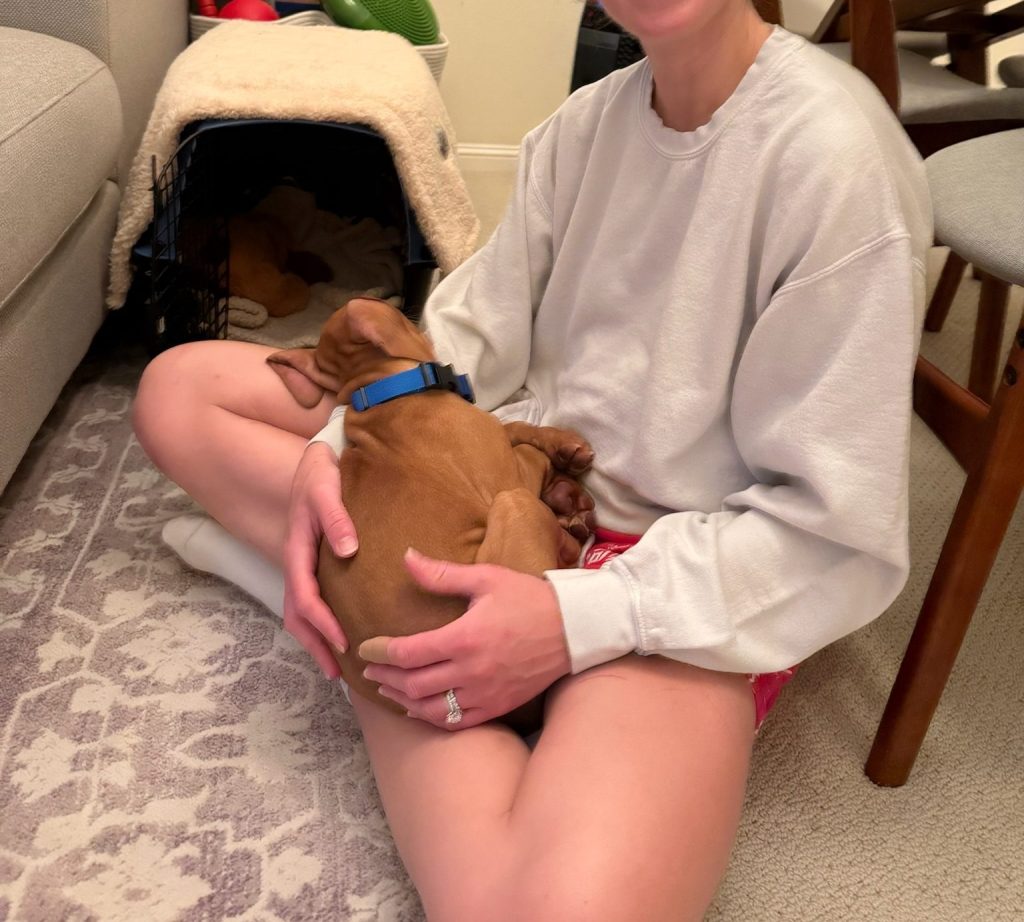
The thing we struggled with the most? Crate training.
I’m a Type A person. I love a plan, I love researching things, and I love feeling prepared. Before bringing Tui home, I did what felt like an unreasonable amount of research on raising a Vizsla. I read the books, watched the YouTube videos, looked into training methods, and tried to prepare for pretty much everything I could think of.
I was convinced I was going to nail this puppy thing.
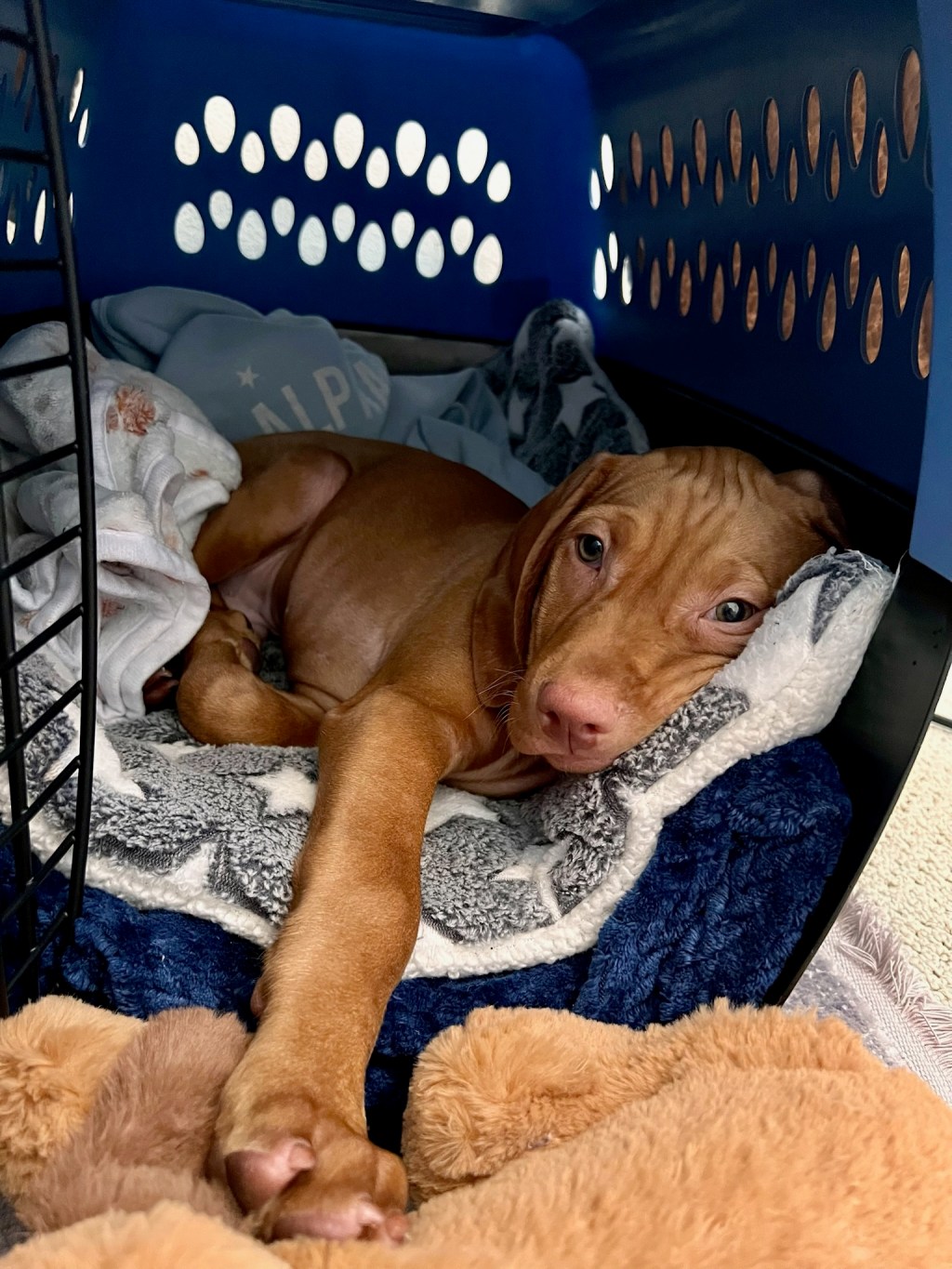
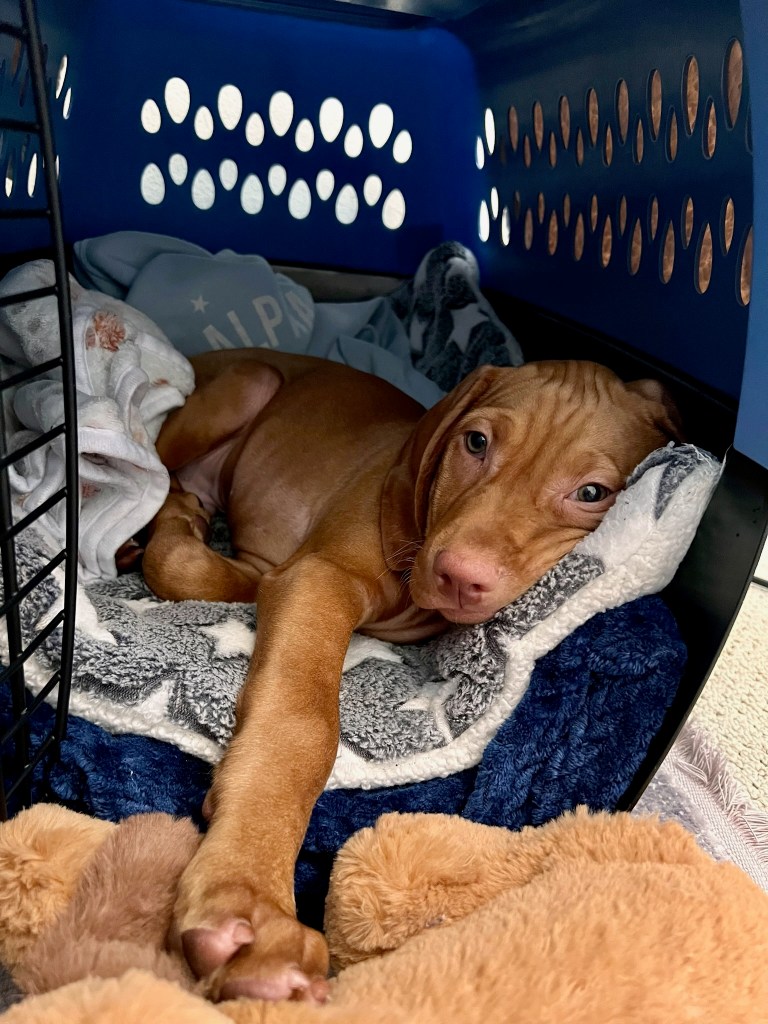
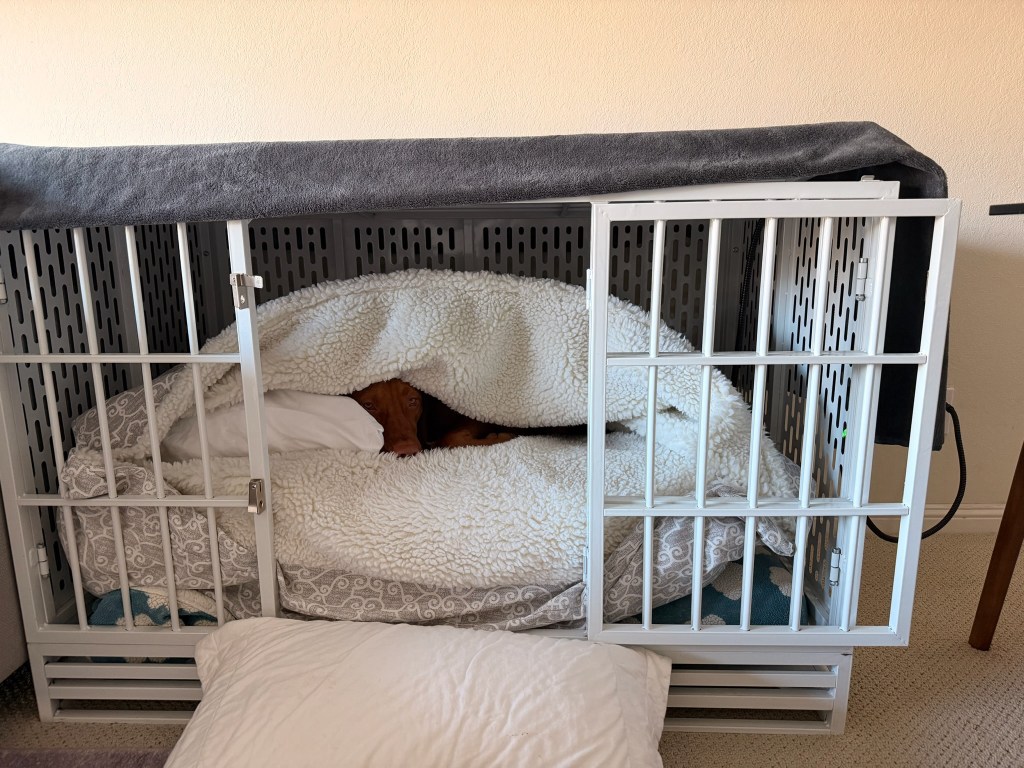
We started working on crate training as soon as we brought him home, building on what our wonderful breeder had already introduced when he was little. We fed him in his crate, gave him treats in there, played treat-toss games, practiced going in and out, and did lots of short sessions with the door closed.
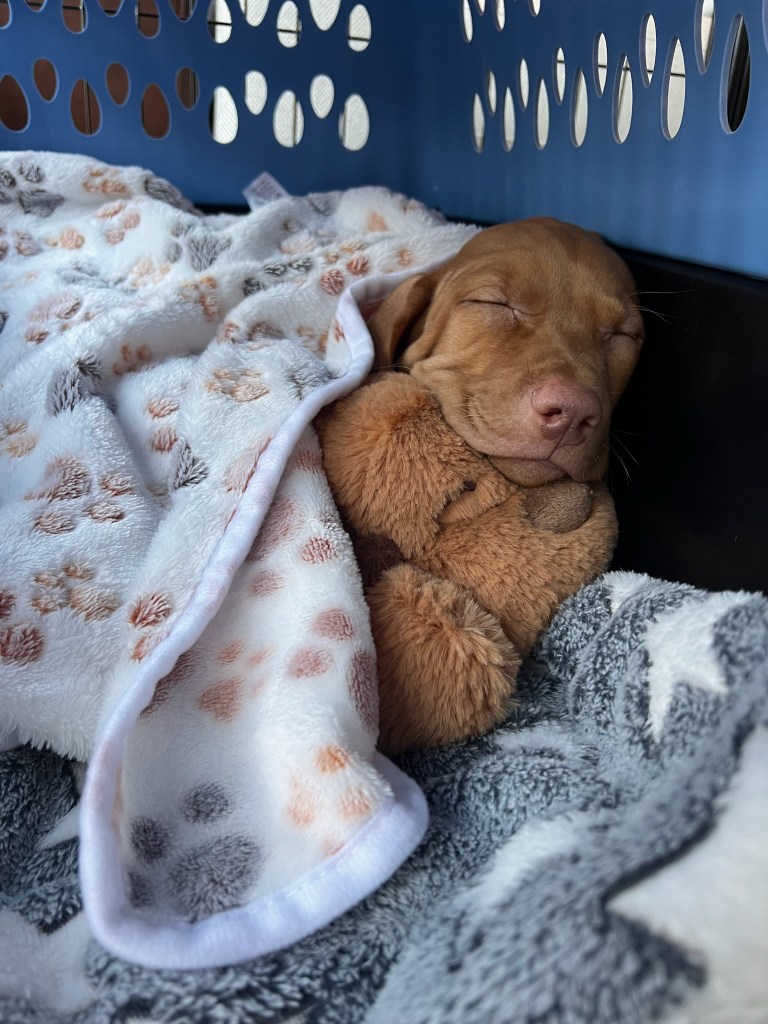
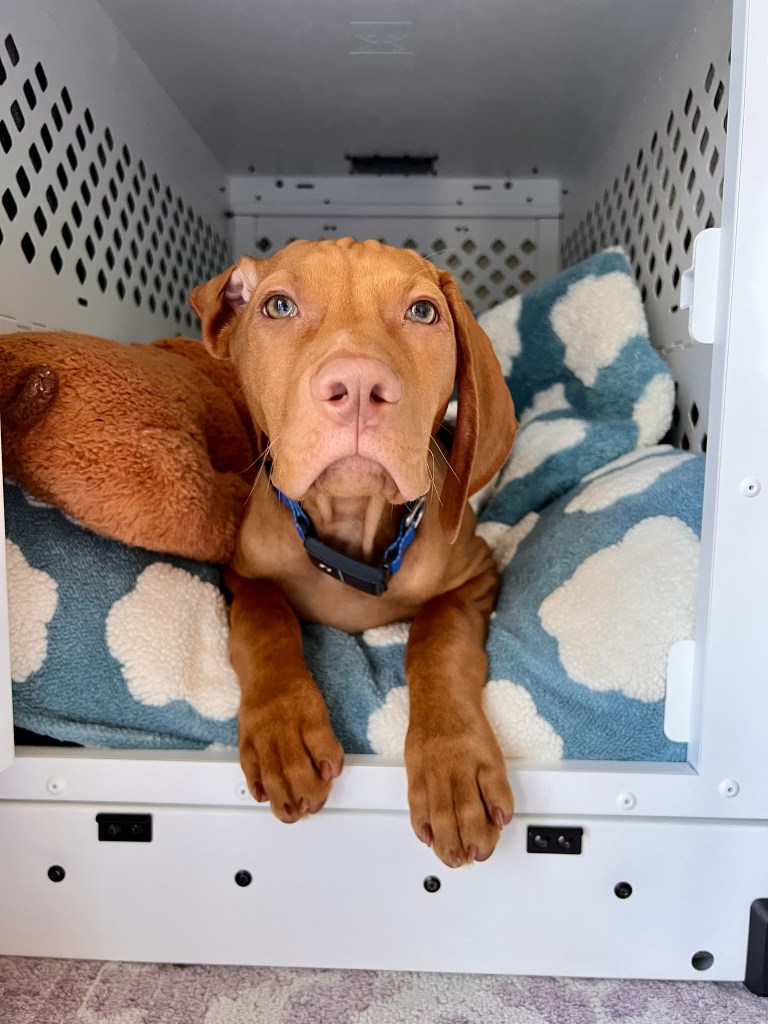
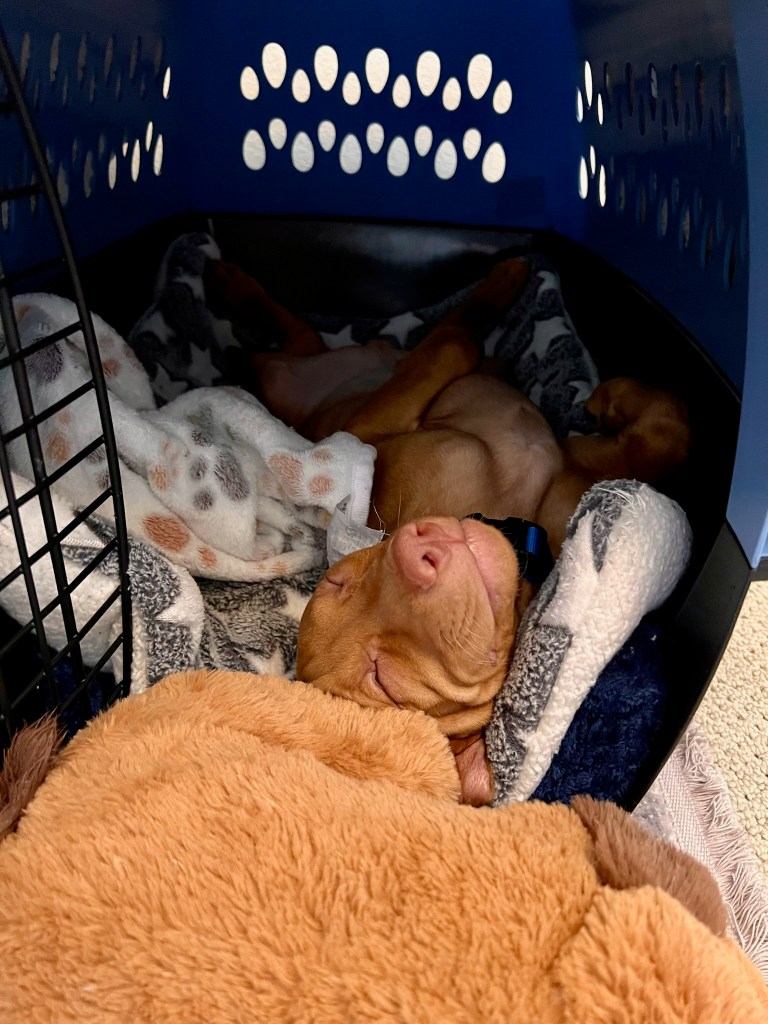
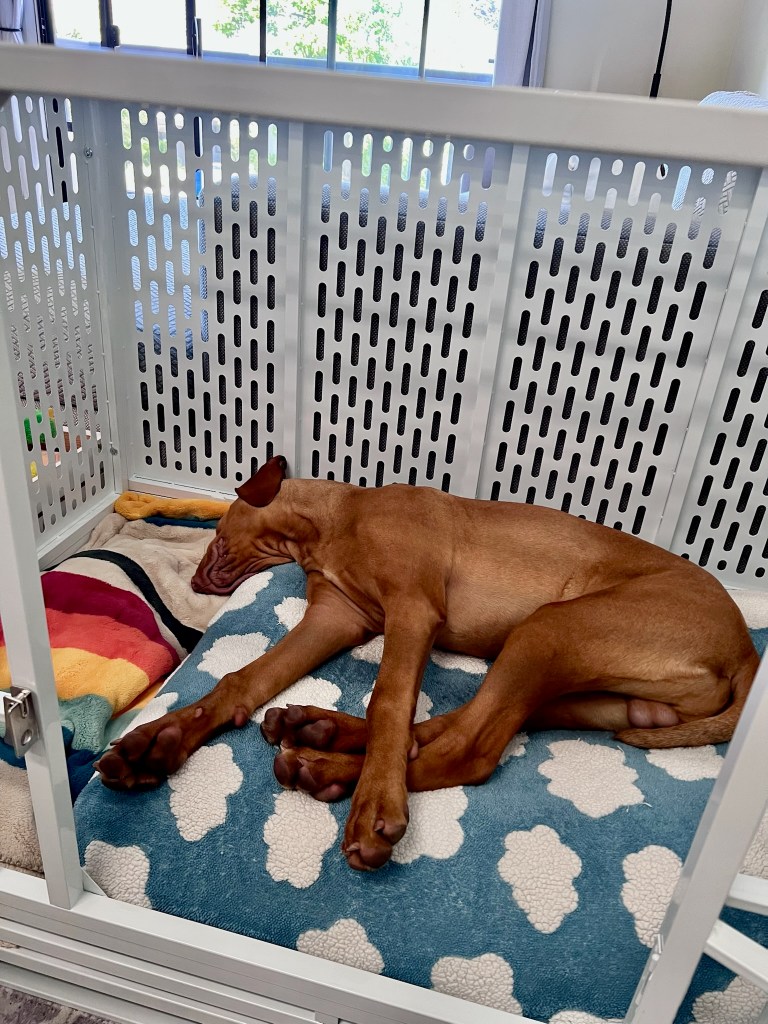
During the day, he’d often take himself into his crate for naps, so I genuinely thought we were doing pretty well.
What I didn’t realize at the time was that being happy to go into a crate and being happy to stay in one with the door closed are two different things.
During the day, Tui could come and go as he pleased. I rarely closed the door when he was napping, so although we were building positive associations with the crate, we weren’t doing as much practice with the part he found difficult: actually staying in there.
Then came nighttime.
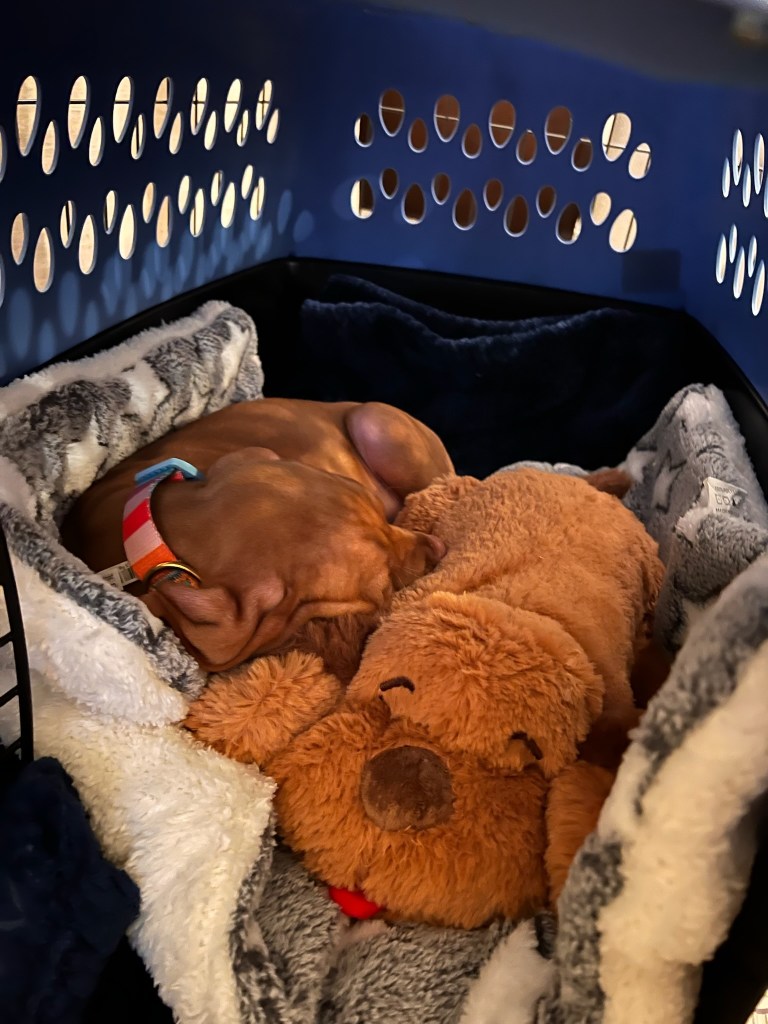
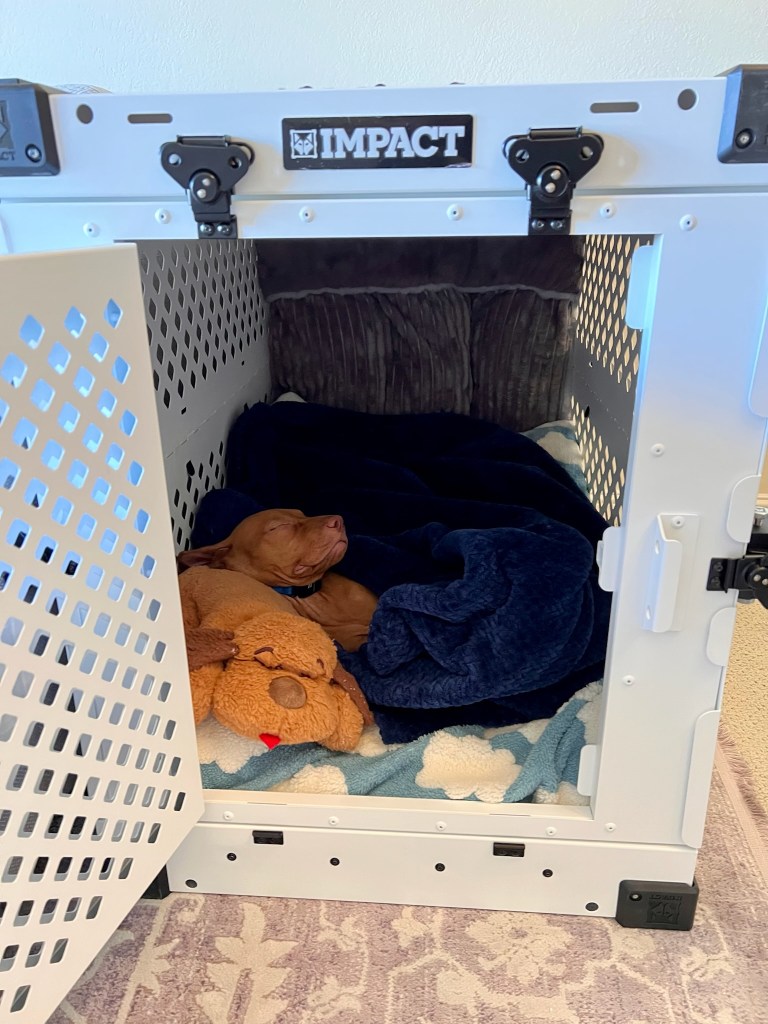
For around the first 10 months, we had Tui sleeping in his crate at night. He’d wake up around 3 a.m., and that was pretty much that for our sleep.
My husband and I would take turns getting up, depending on who had the busier day at work ahead. And while we tried to make it work, there was a point when the sleep deprivation really started catching up with us.
After months of this, we knew it wasn’t sustainable.
We kept trying because we wanted to get it right. We’d read that consistency was important and didn’t want to teach him that crying meant he automatically got to leave his crate. At the same time, we were trying to figure out whether he needed something, was genuinely distressed, or simply wasn’t comfortable being confined.
And honestly, this was hard for me because I was so sure that all my preparation would pay off. When you’re used to researching a problem, making a plan, and working through it until you get the result you’re after, it’s difficult to accept that sometimes things don’t work out that way.
I kept thinking there must be something we hadn’t tried yet.
We got help from trainers, our wonderful boarding sitter and friend, and kept working on it. Tui knew how to go into his crate. He would do it willingly. But being shut in there was another story.
Eventually, we had to accept that the crate just wasn’t working for him the way we’d hoped.
What I’d tell someone bringing home a puppy
I still think crate training is worth working on, and I’m glad we tried. There are some things I’d approach differently if we were starting over.
Pay attention to how your puppy is coping.
Not every little whine means something is wrong, but prolonged crying or escalating distress shouldn’t automatically be treated as something you have to ignore. Your puppy might need a potty break, might be uncomfortable, or might be struggling with being confined or separated from you. If they’re repeatedly getting distressed, take a step back and consider getting help from a qualified, reward-based trainer.
Don’t just practice going into the crate. Practice staying in it, too.
Tossing treats inside and feeding meals in the crate are great starting points. But remember to practice with the door closed, too. Start with just a few seconds, reward your puppy for staying relaxed, and gradually build up the time. The idea is to help them feel comfortable, not to see how long they’ll put up with it.
don’t be afraid to change the plan.
This is the one I wish I’d understood sooner. I was so focused on doing things properly that it took me a while to accept that what worked for other dogs might not work for Tui.
You can be consistent, put in the effort, and still need to find a different approach. That doesn’t mean you haven’t tried hard enough.
I’d also recommend thinking about your backup plan before you’re months into broken sleep. Having alternatives doesn’t mean you can’t work on crate training; it just means you have options if things aren’t going as expected.
Where we landed
My husband and I both grew up in countries where crate training isn’t nearly as common as it is in the US. We understood why people did it and wanted to give Tui the best start, but it wasn’t something we’d grown up seeing as the default.
After months of trying different things, we eventually accepted that Tui might simply never be a dog who loves his crate.
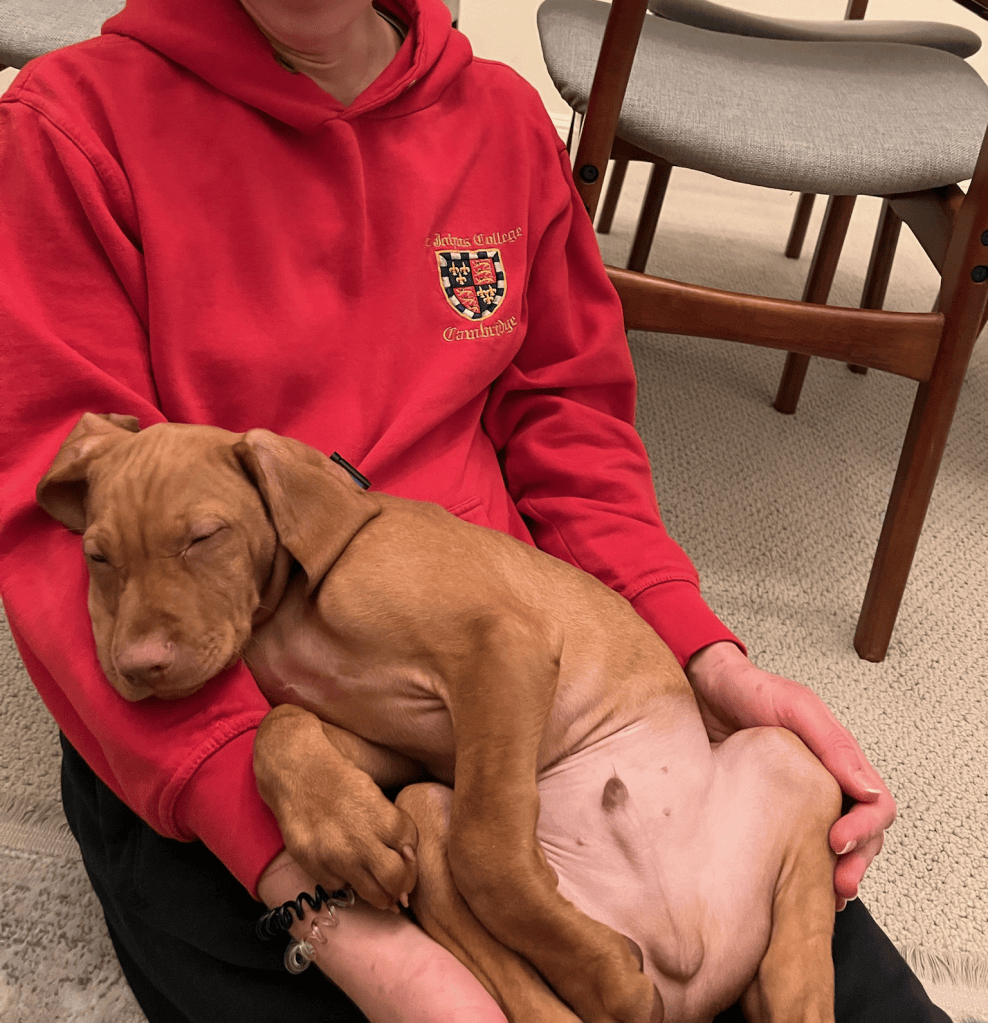
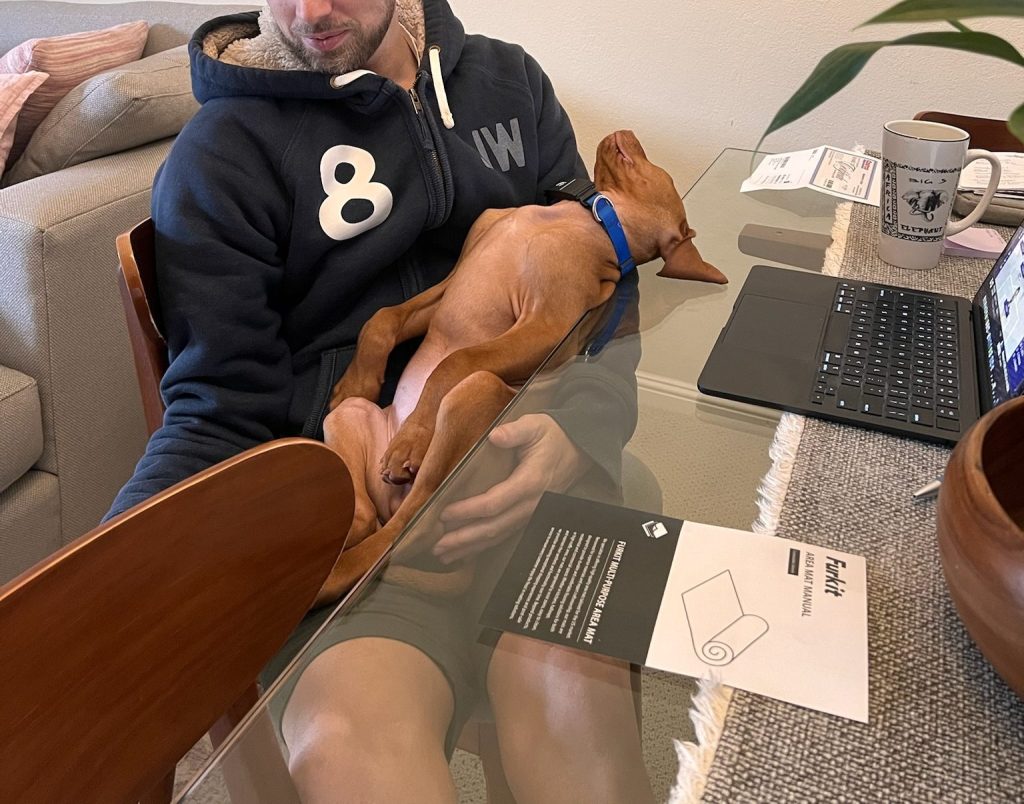
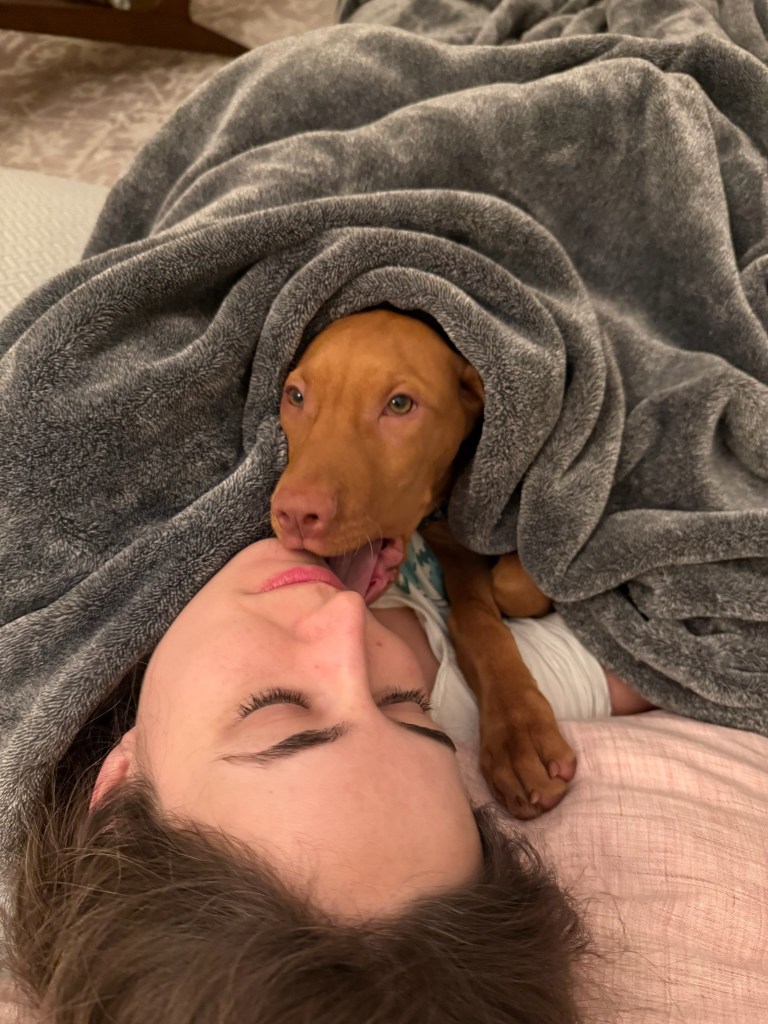
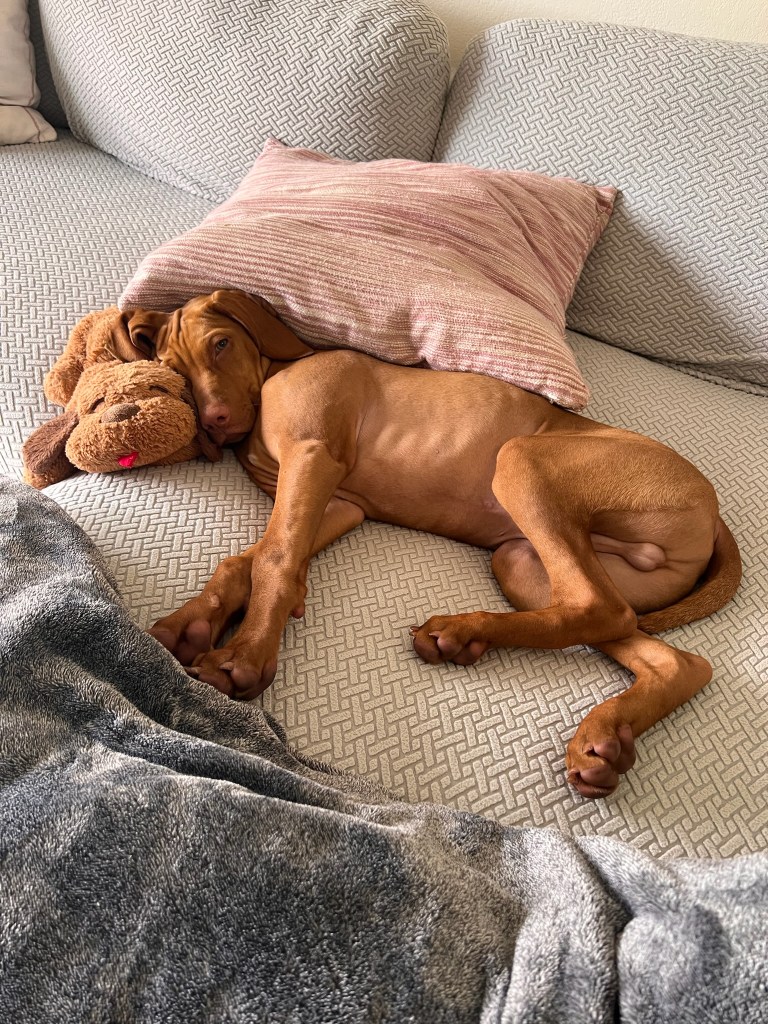
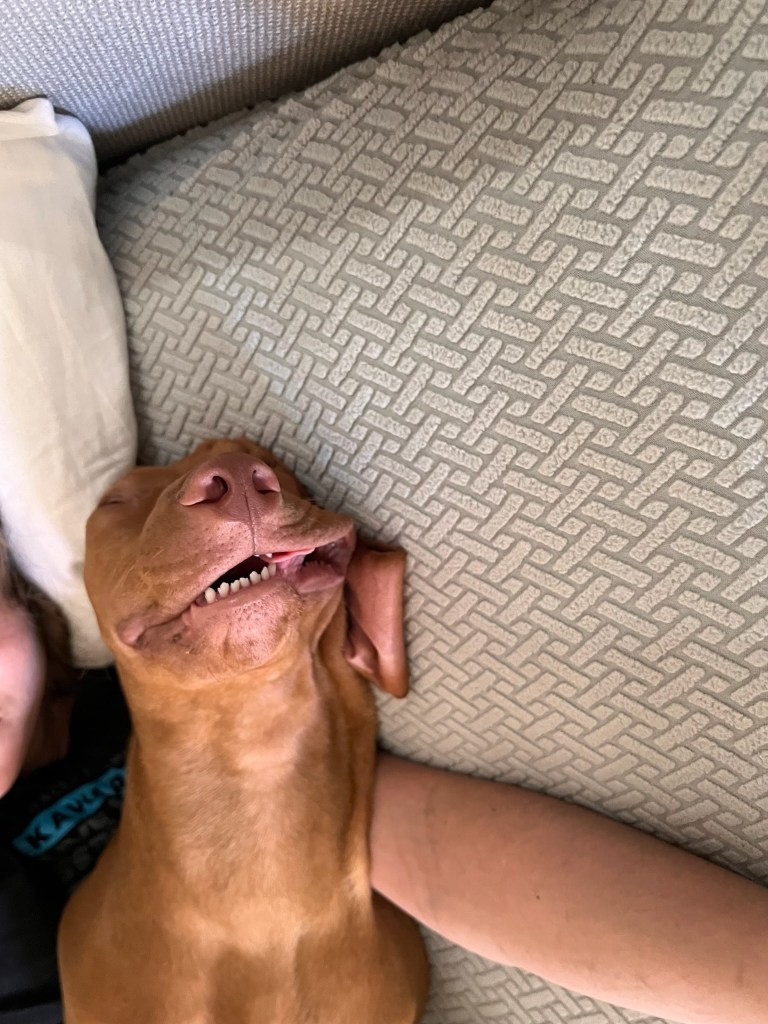
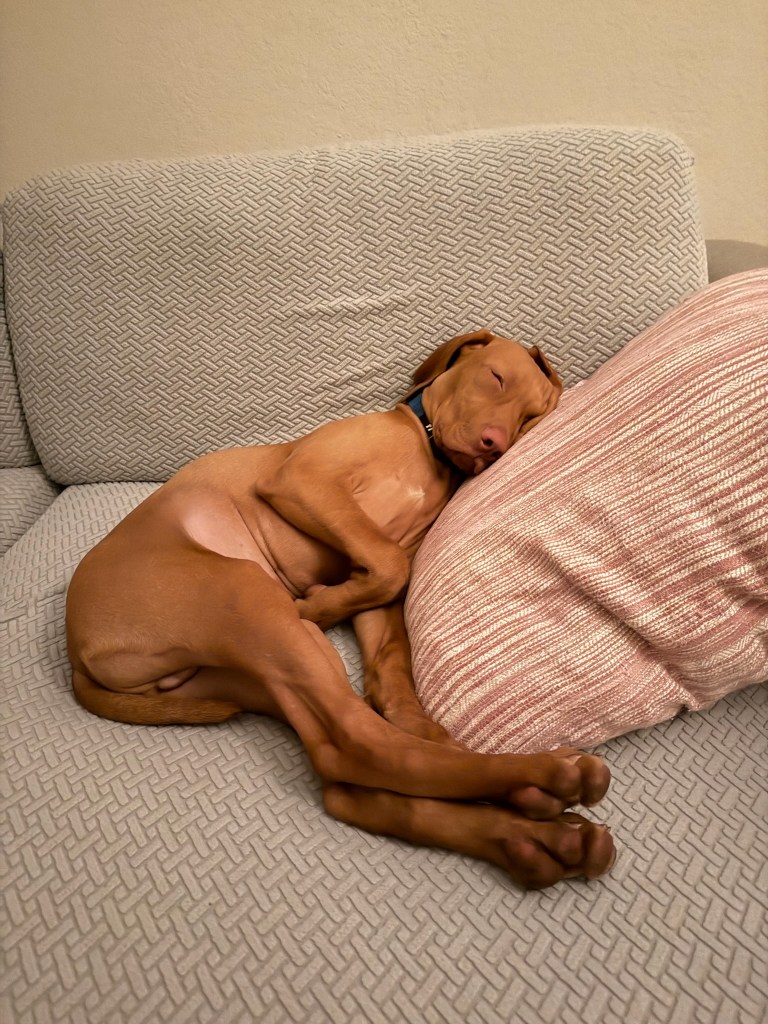
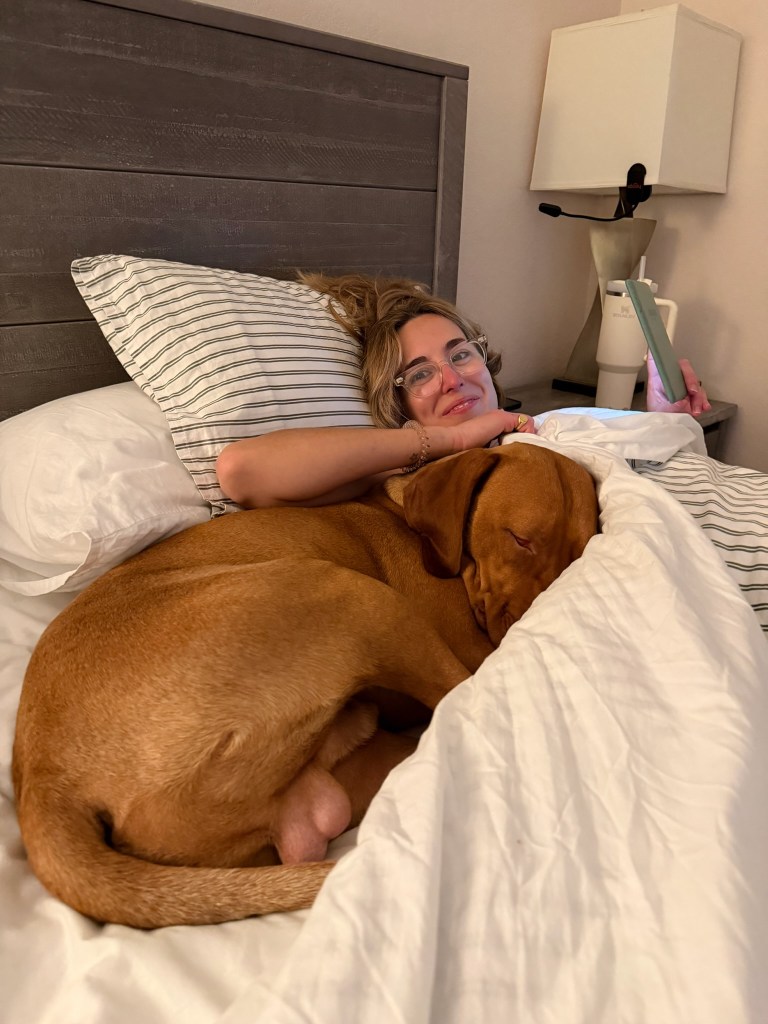
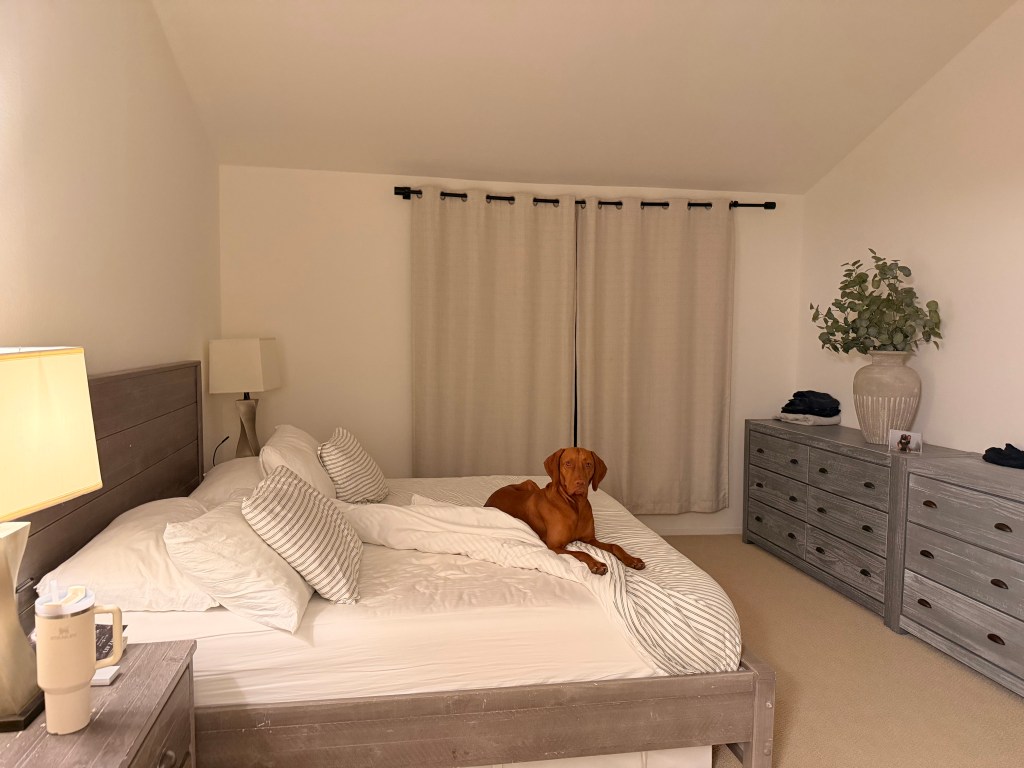
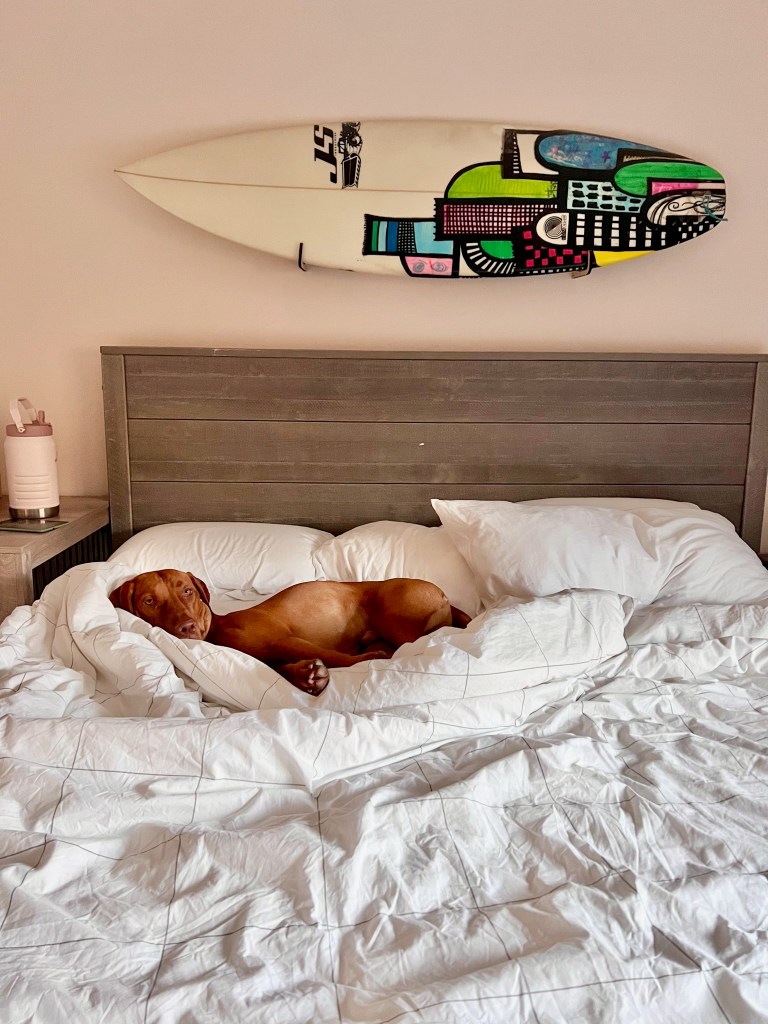
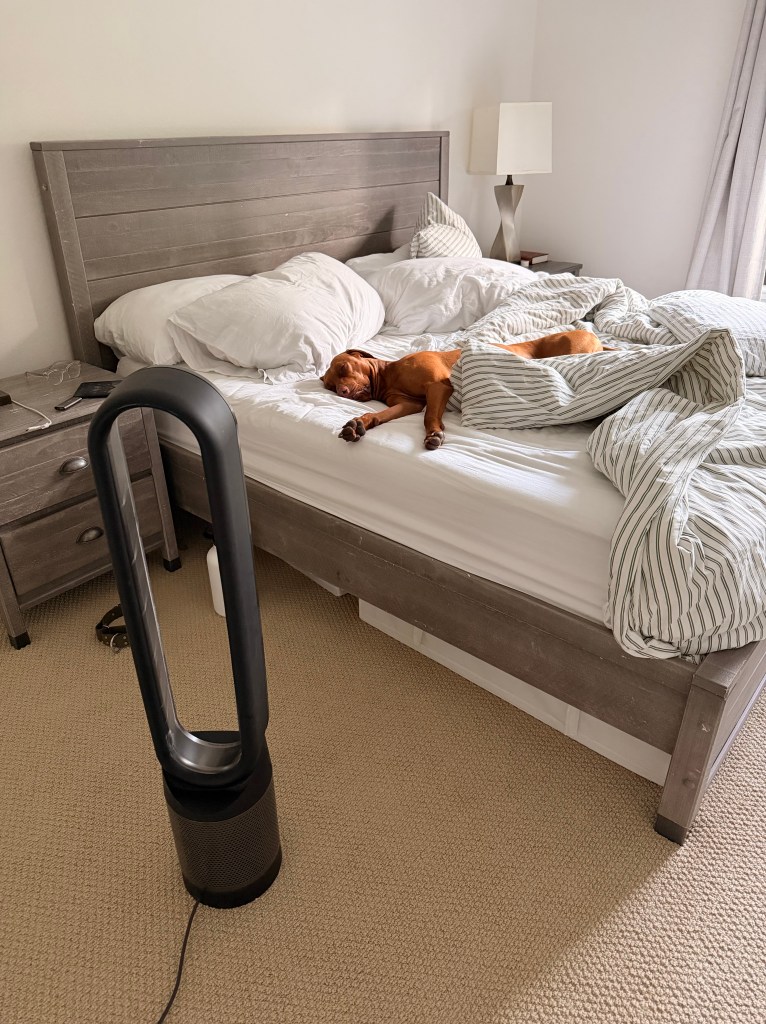
He’s never been destructive. He loves the couch, loves sleeping in bed with us, and would quite happily spend every waking moment as close to us as physically possible.
Looking back, I wish we’d given ourselves permission to make that decision sooner. Not because crate training is bad or because I regret trying, but because I think I got so caught up in making it work that I forgot there was another option.
I still love a plan, and I still believe preparation matters. But having a dog has taught me that you can do all the research in the world and still have to figure some things out as you go.
If you’re bringing home a Vizsla puppy, I’d absolutely encourage you to work on crate training and give it a fair chance. Just remember that your puppy is an individual, and you don’t have to measure your success by whether they end up loving their crate.
For us, life got a whole lot easier when we stopped trying to make one particular arrangement work and found what suited Tui instead.
And yes, we finally started sleeping again.
Turns out, that was pretty important, too.
A few videos I HIGHLY recommend you watch on this topic –





Leave a Reply